

Americans are increasingly bicycling to commute, for exercise, or just for fun. NHTSA’s bicycle safety initiatives focus on encouraging safer choices on the part of bicyclists and drivers to help reduce deaths and injuries on our roads. Many states consider a bicycle a vehicle when it’s operated on the road — and bicyclists must follow the same rules.

Bicycling in olden days.
Early designs of the velocipede paid little attention to safety. Rather, the device was simply a mechanism to facilitate travel, particularly on flat surfaces.

A-tisket, a-tasket.
It was not uncommon to attach a basket to the velocipede such that the lady of the house could perform her shopping responsibilities.
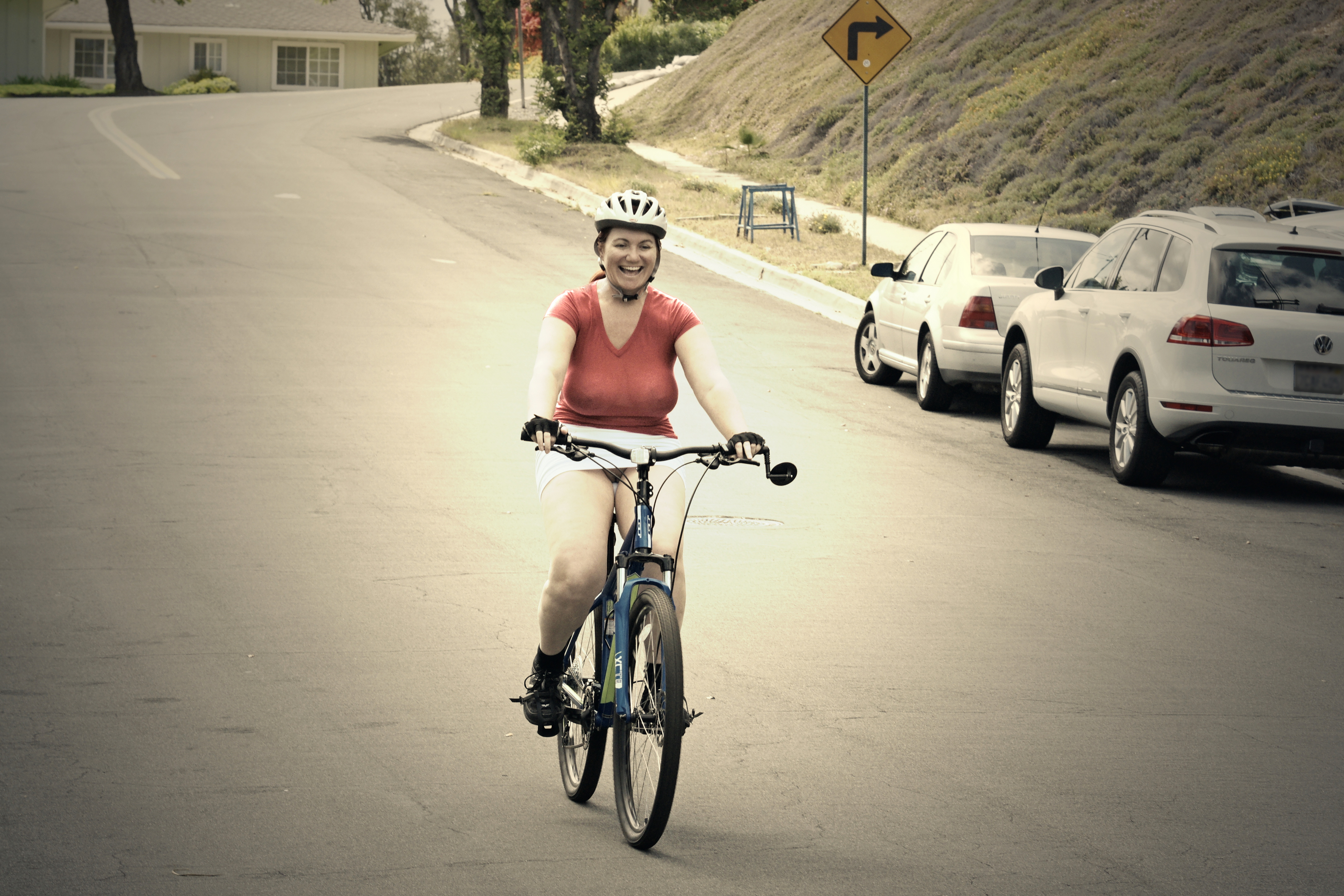
New times call for new safety measures.
It soon became obvious that new-fangled bicycles were being used for recreation, and bicycle enthusiasts would hurl themselves headlong down a roadway in pursuit of adventure.

Modern bicycling equipment.
Today’s bicycle rider sports a safety helmet to protect the head and, occasionally, safety gloves to protect the hands.
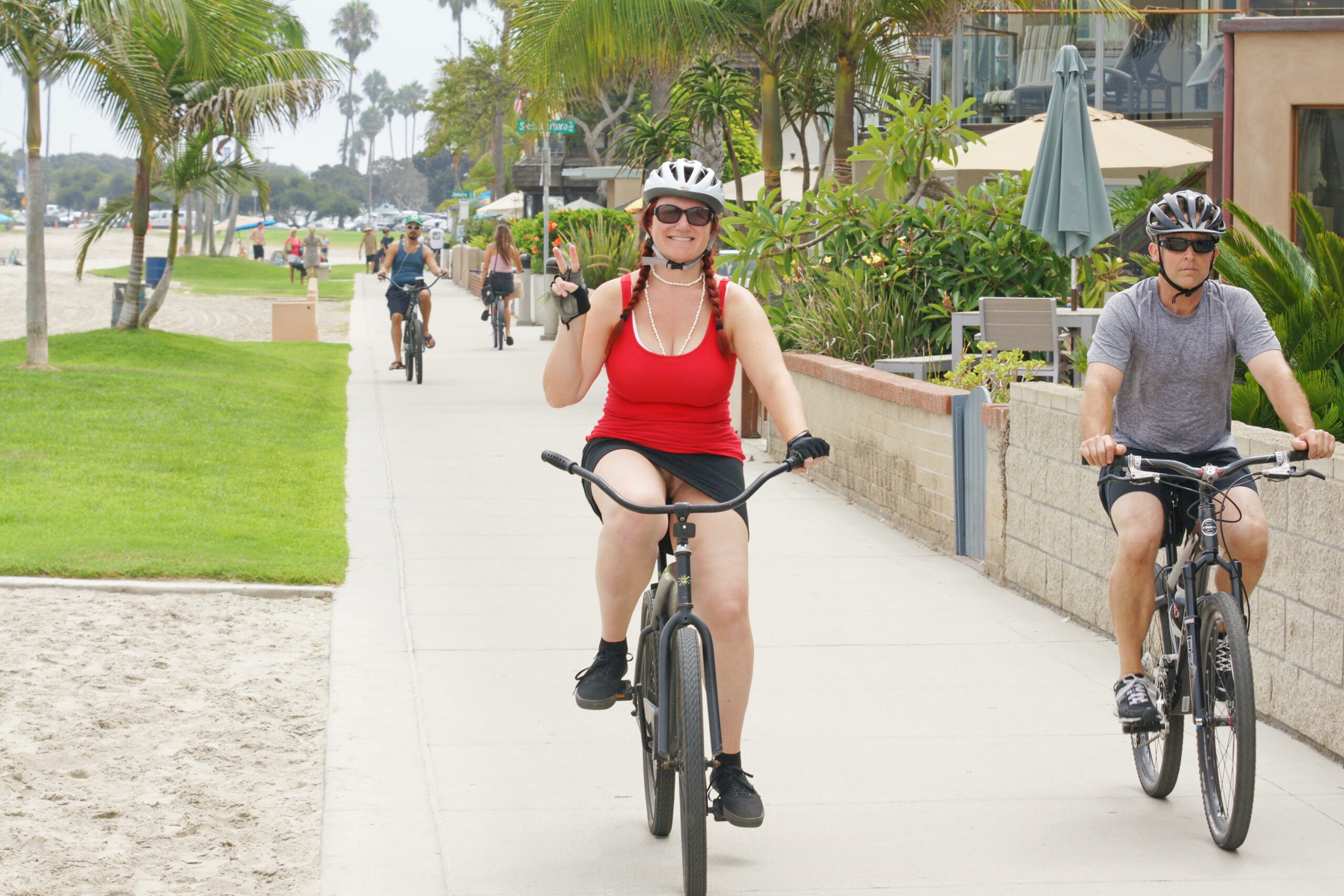
Plan to be seen.
In order to ensure safety, plan to be seen.
Make certain cyclist can see you.
- Wear neon, fluorescent or other bright clothing.
- Whenever possible, ride during the day.
- If you must ride at night, wear reflective clothing and use flashing lights.

Obey the rules.
Bicycles on the roadway are considered vehicles, and bicyclists are the drivers, with the same rights and responsibilities as motorists to follow the rules of the road.
- When riding, always go with the traffic flow. Ride on the right in the same direction as other vehicles.
- Yield to traffic. Almost always, drivers on a smaller road must yield to traffic on a major or larger road.
- Be predictable. Ride in a straight line, not in and out of cars. Signal your moves to others.

Stay alert.
Keep your eyes and ears open.
Look before turning to see if others are around you. Look for a break in traffic before entering a roadway.
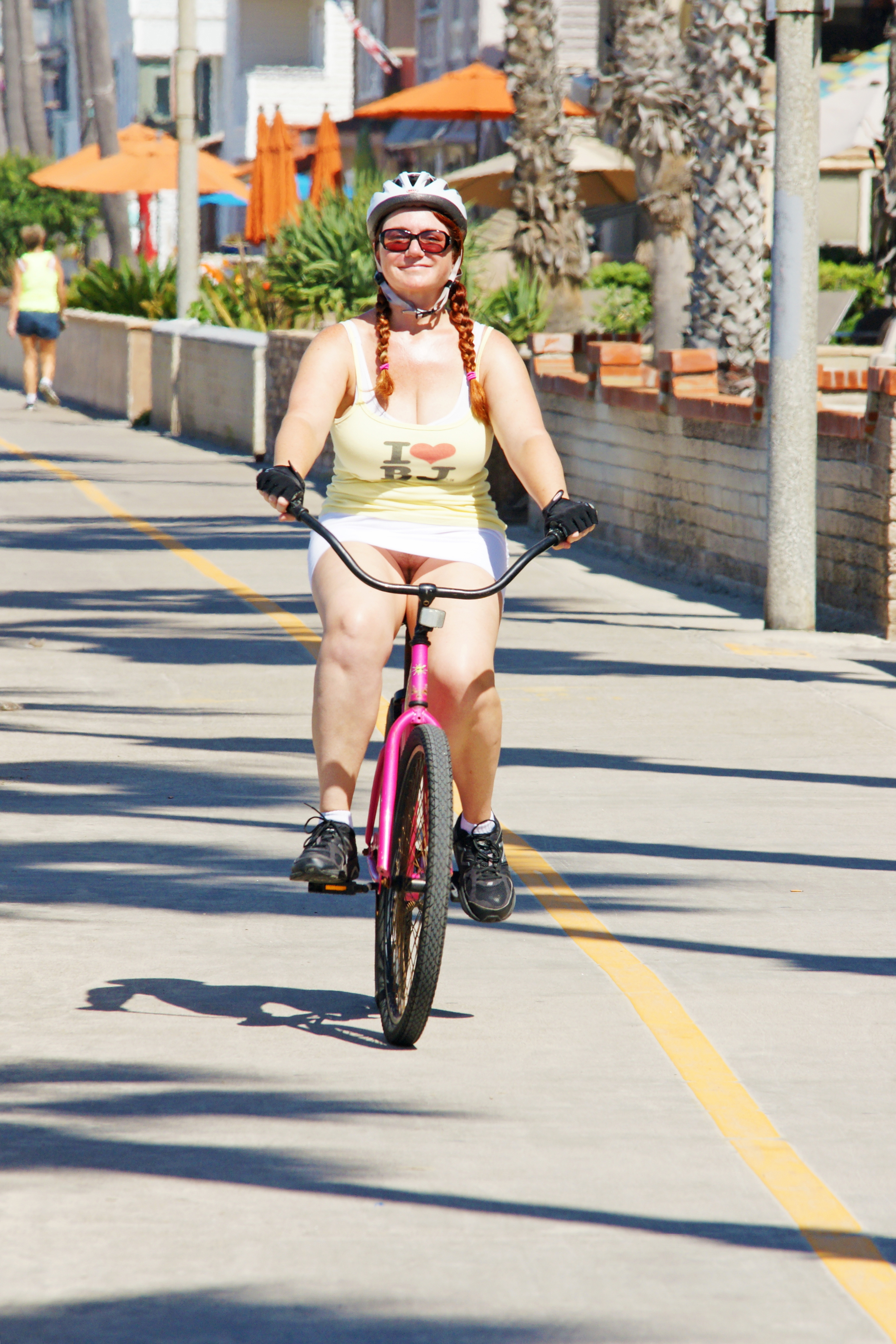
Stay in your lane.
A bicycle lane is designed to protect both the bicycle operator, other cyclists, and non-cyclists. Stay within your lane, and pass with care.

Advances in bicycle design.
Bicycles with a step-through frame were traditionally known as “ladies'”, “women’s” or “girls’ bicycles”, as they allow skirts or dresses to hang fairly normally. Even in the 1800s, women often rode “men’s” bicycles and vice-versa; from the 1890s onwards, women commonly wore bloomers to cycle.

Proper clothing is essential to bicycle safety.
Particularly since the advent of the step-through frame, it is no longer necessary for riders to wear cycling trousers or cycling shorts. Rather, a cyclist may choose to wear more comfortable or convenient clothing.
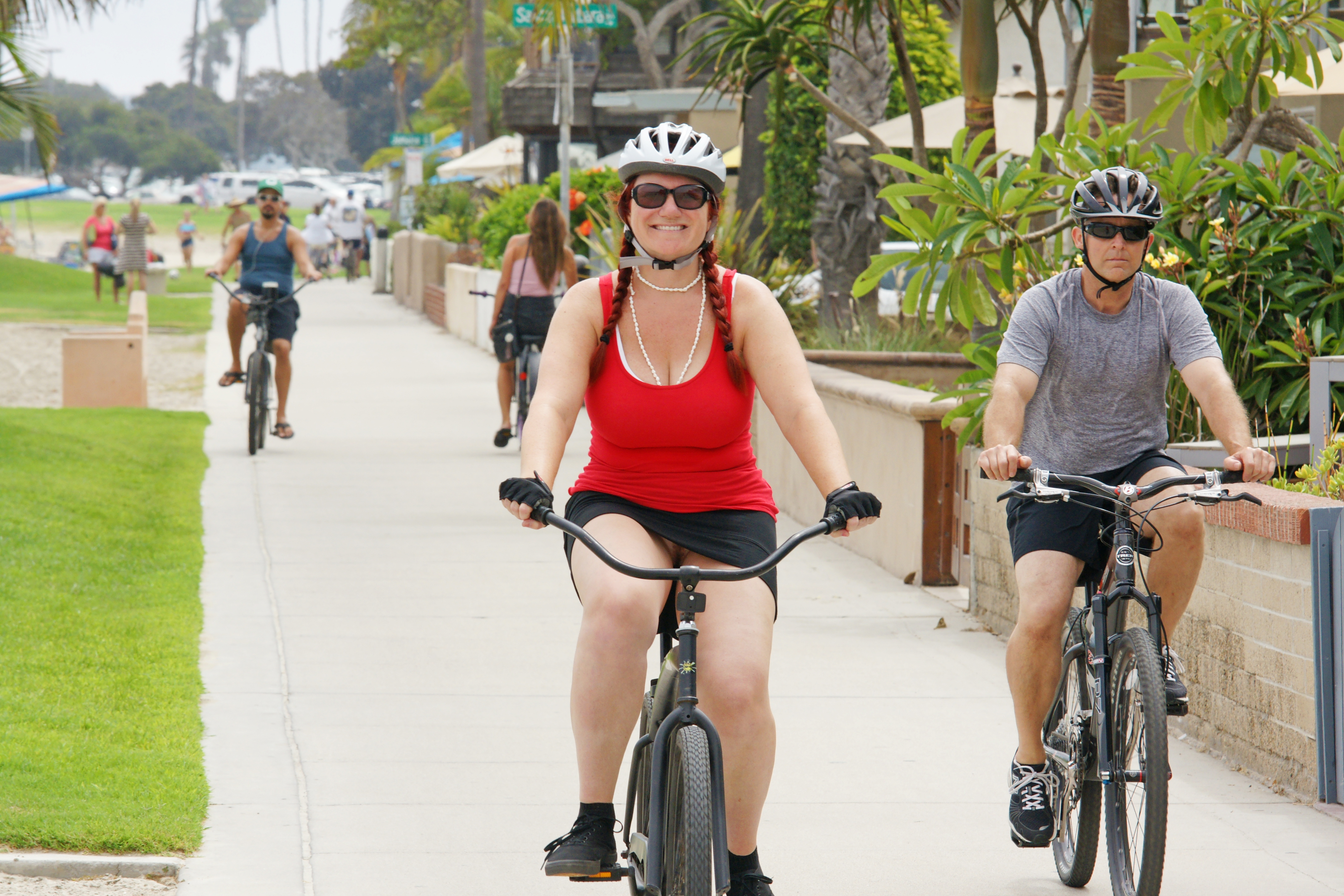


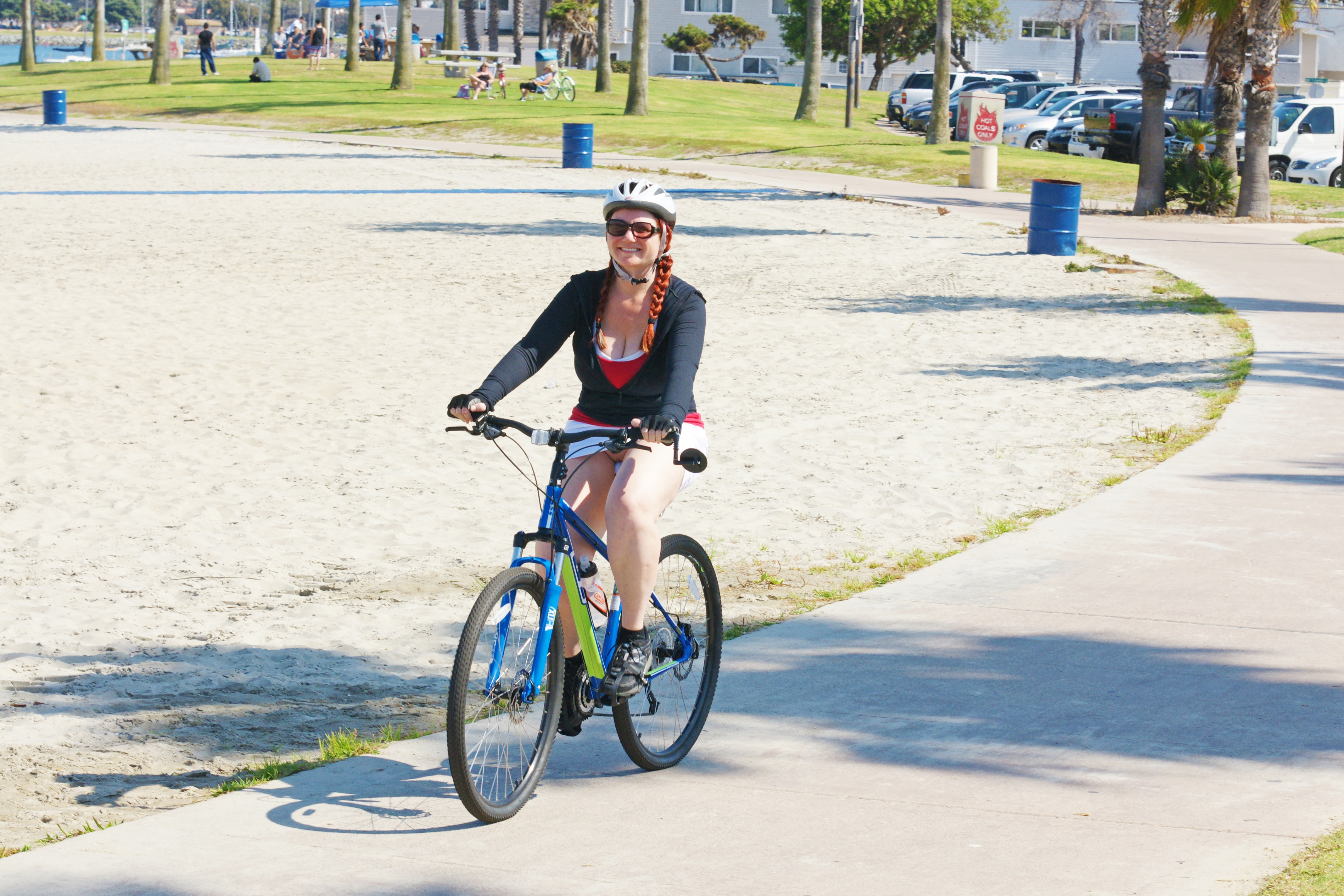

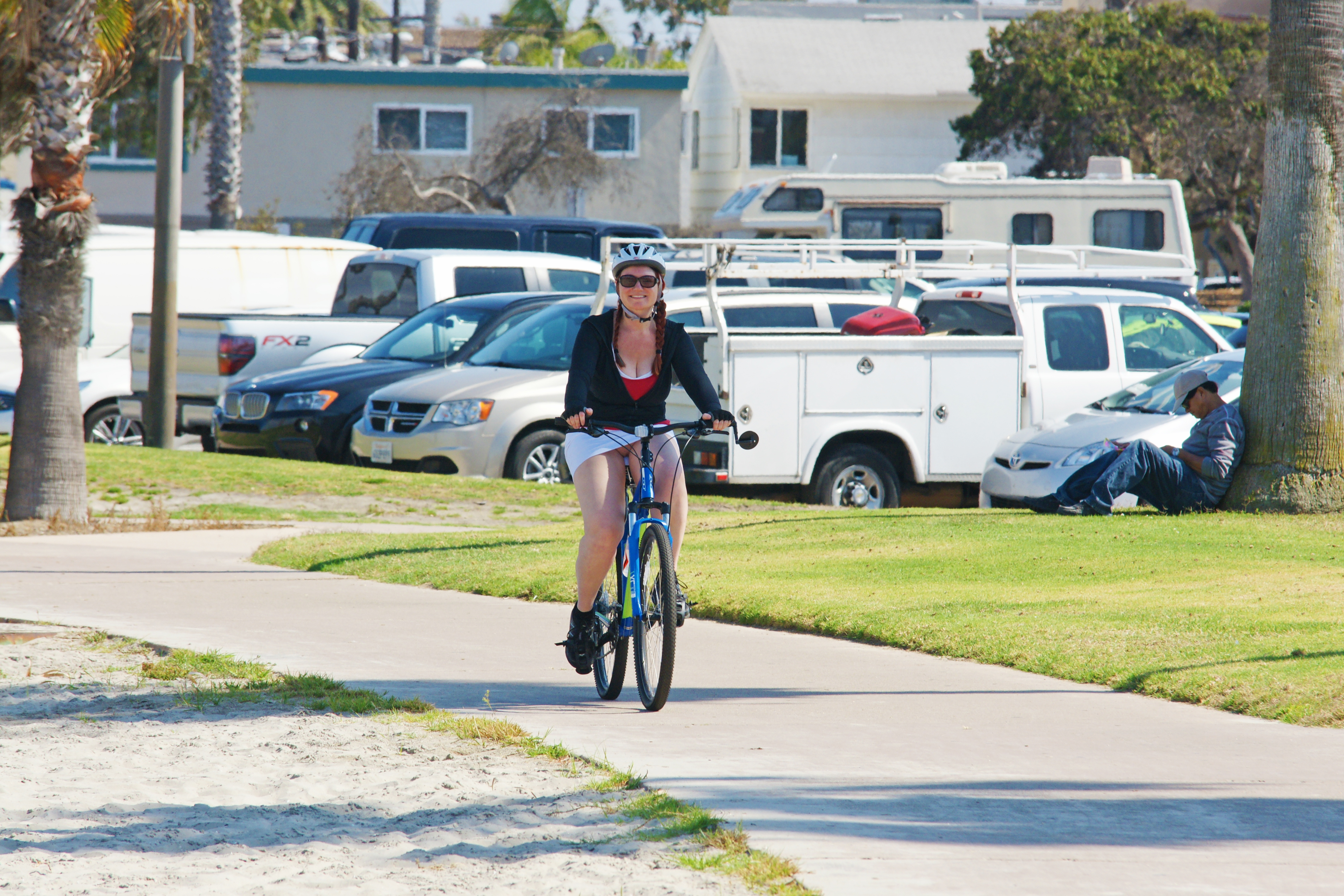
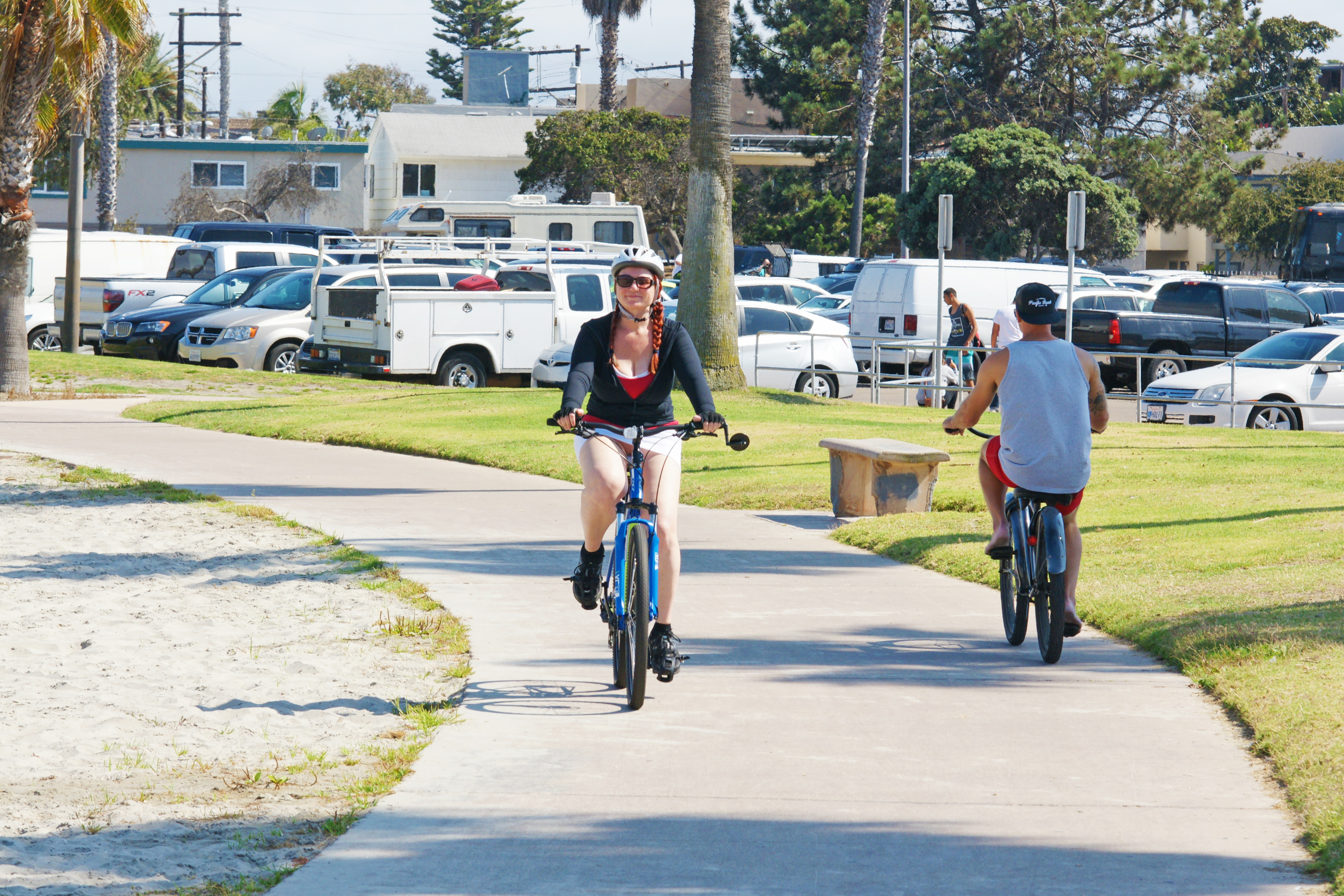
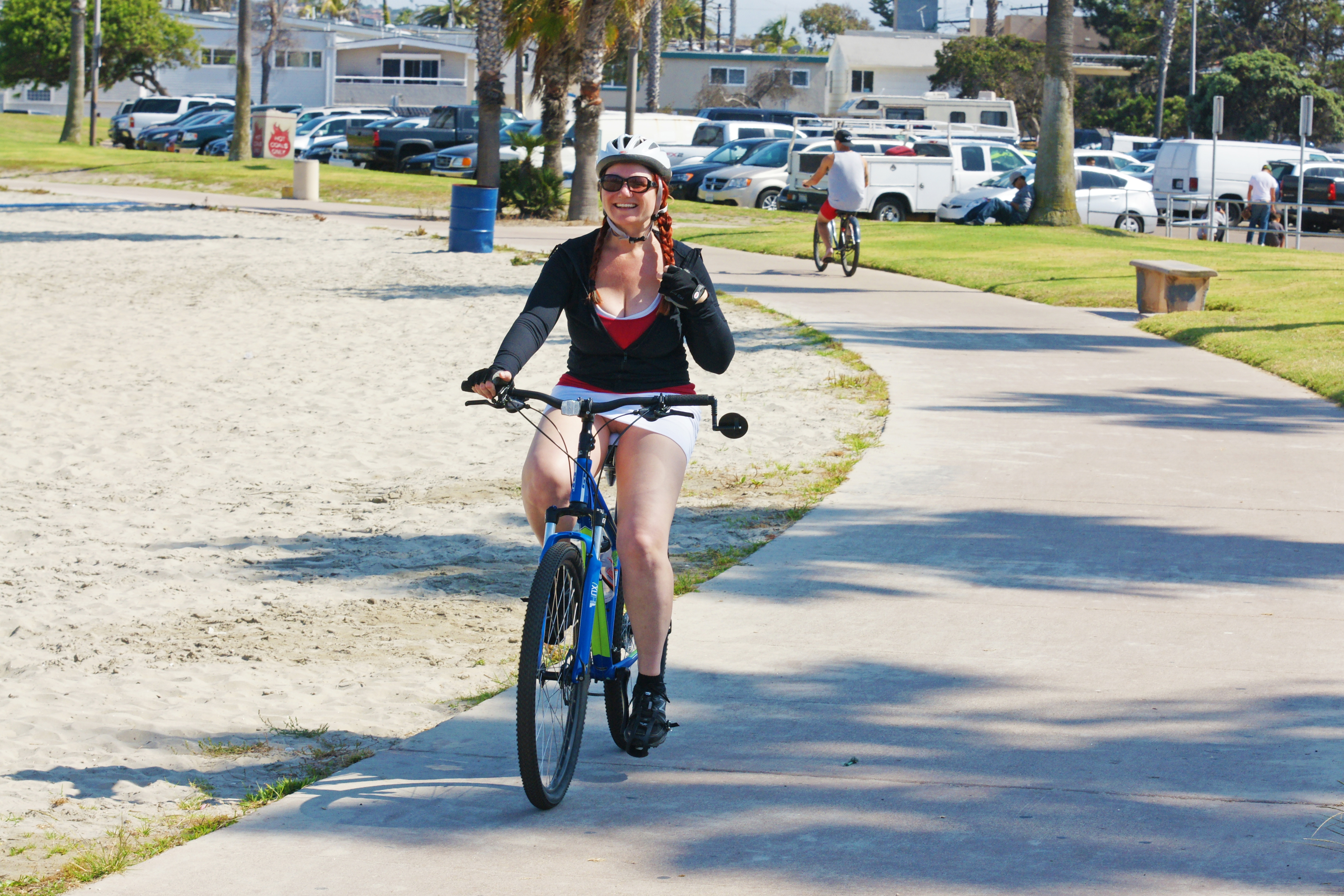


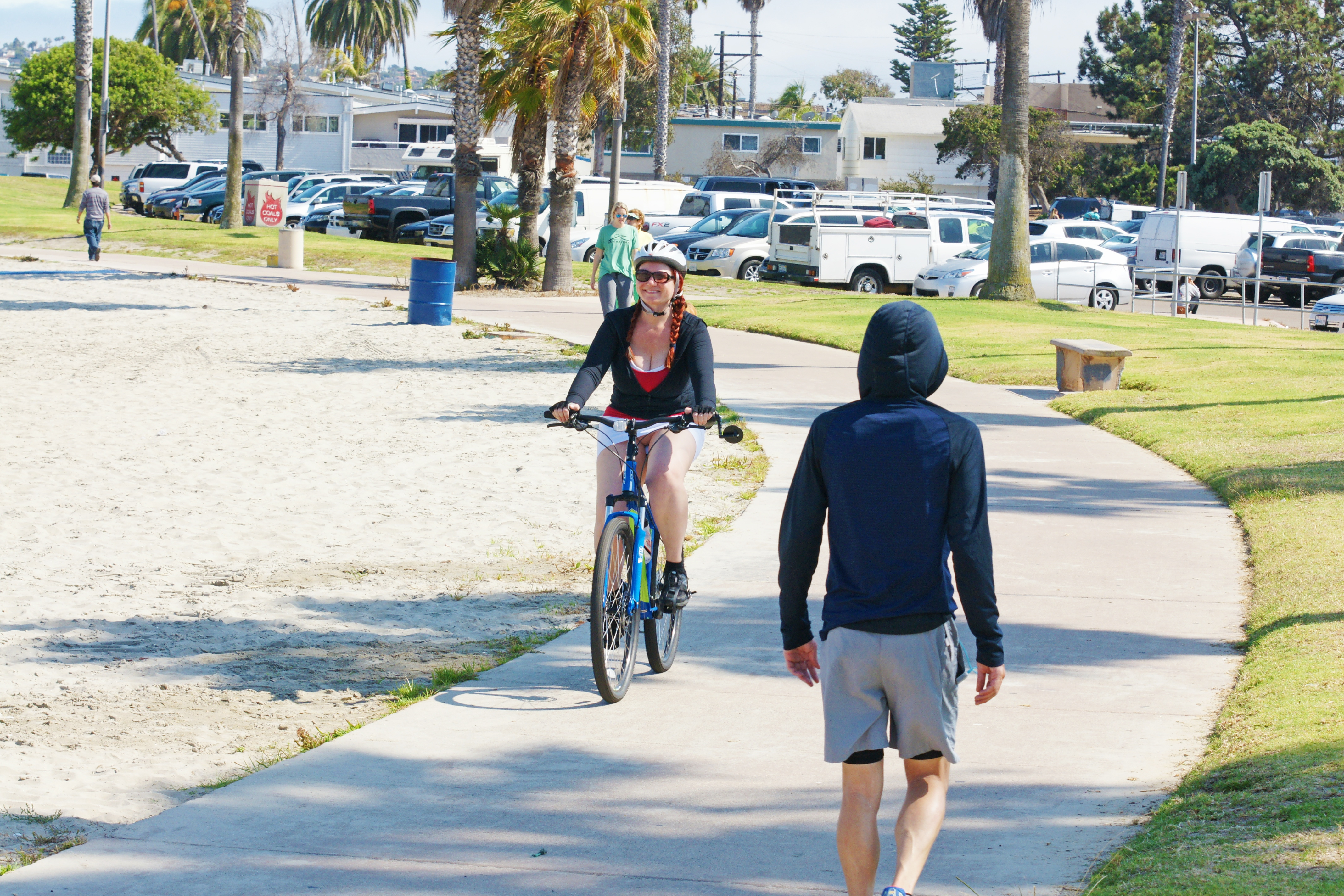
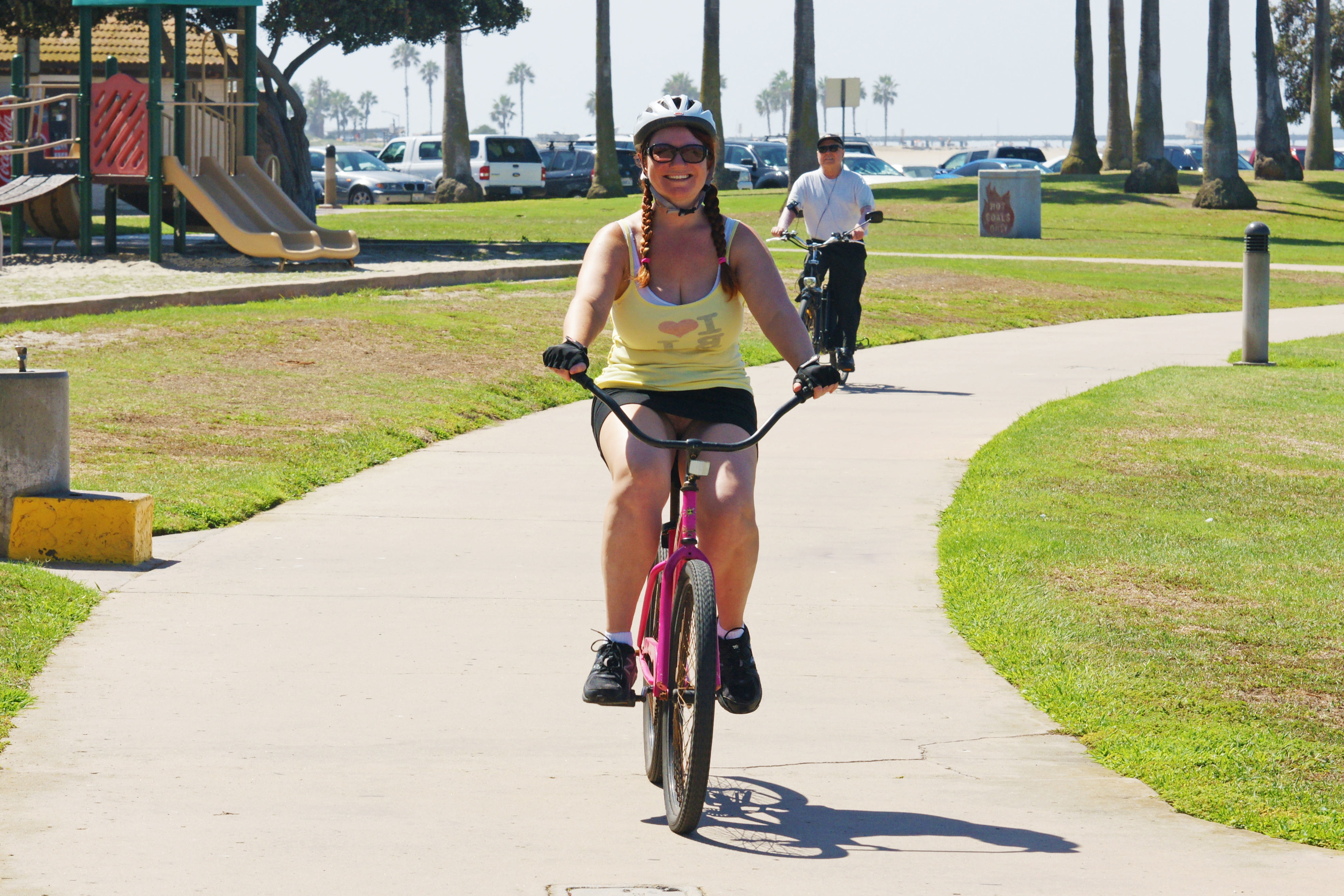
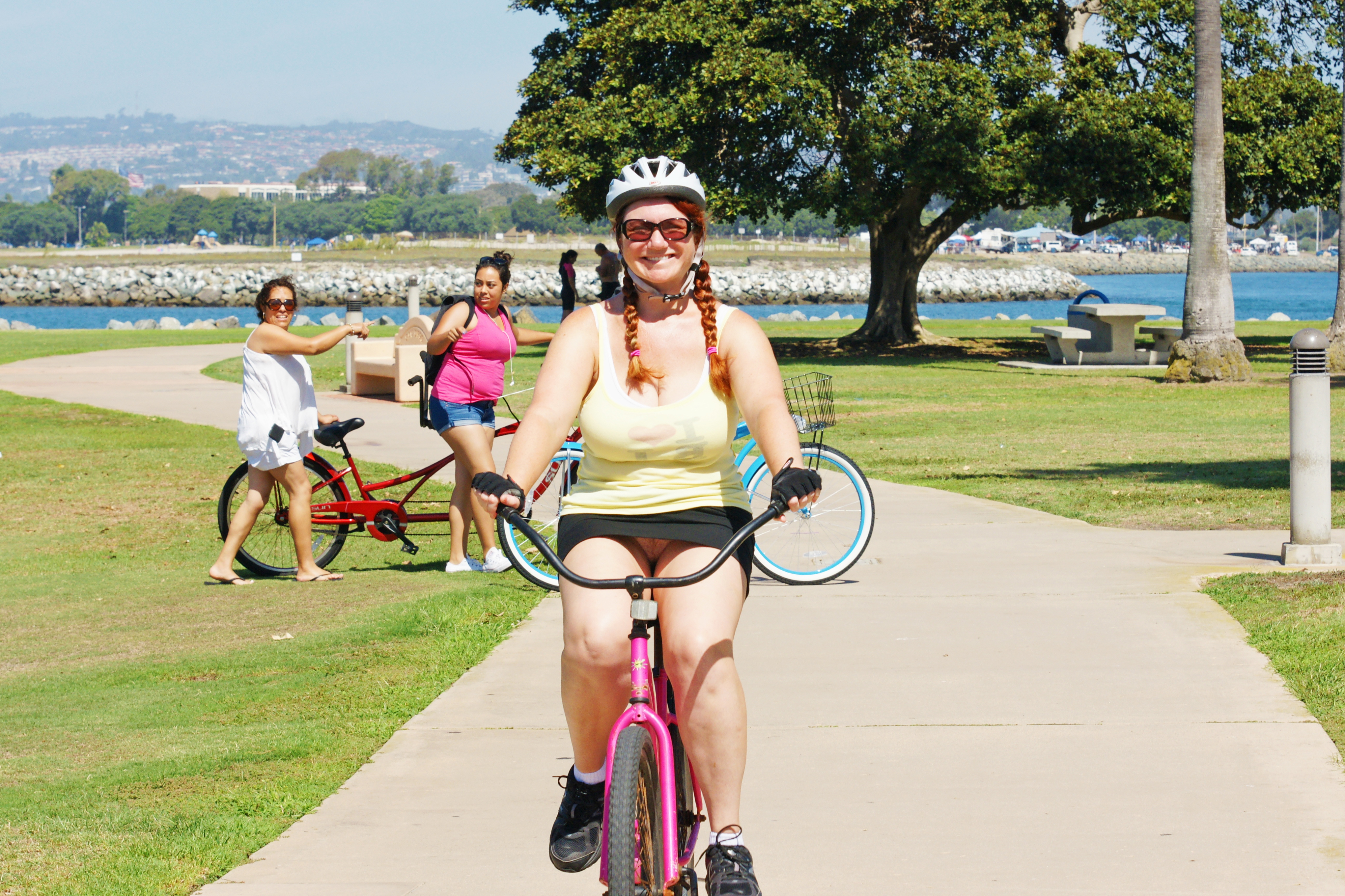
Please observe these additional images for examples of bicycle safety.
Remember: a bicycle is not a toy, but a vehicle, and the cyclist has responsibilities. Safety first!